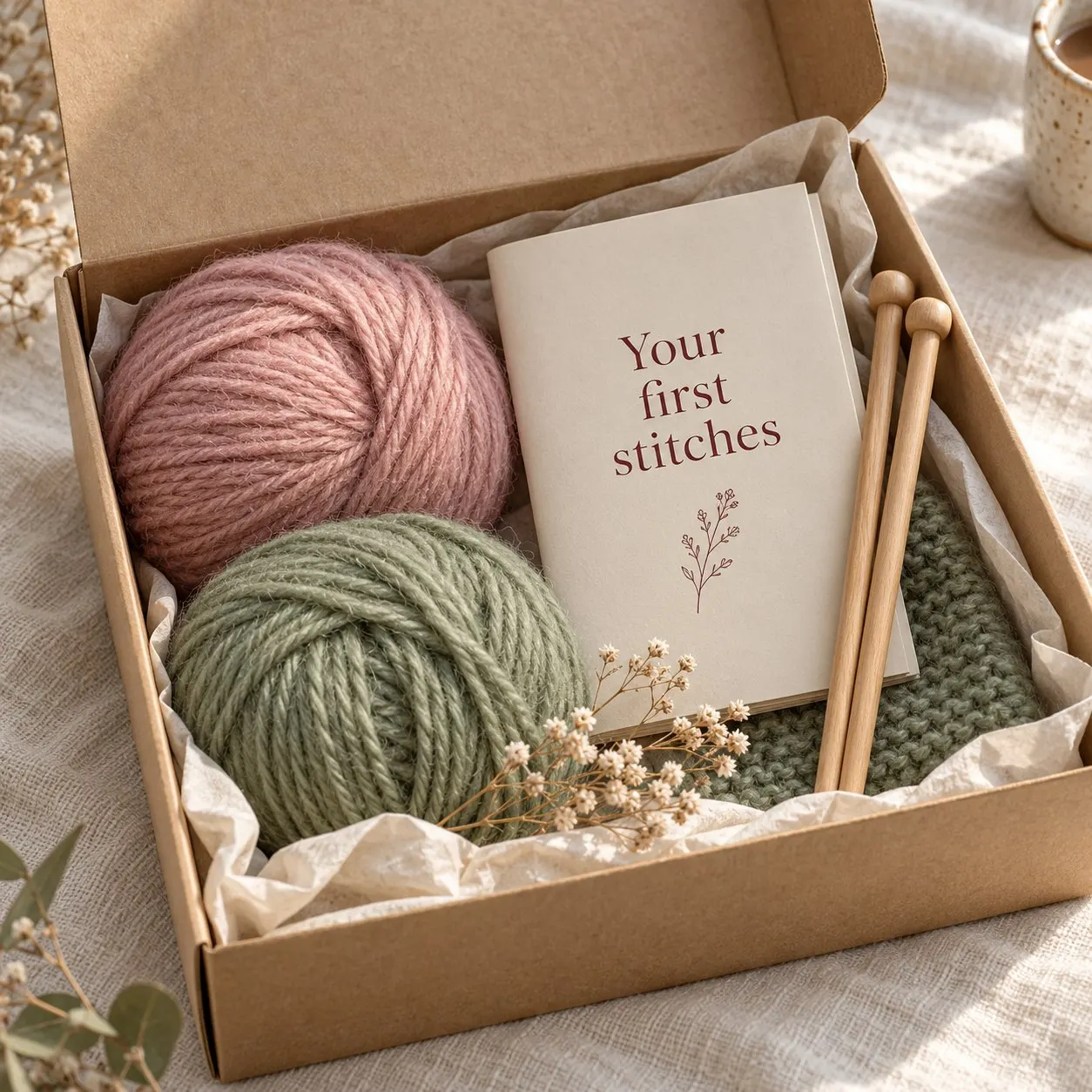
You do not need a perfect first project. You need a comfortable place to start, a few useful tools, and permission to learn as you go.
Keep your first project small
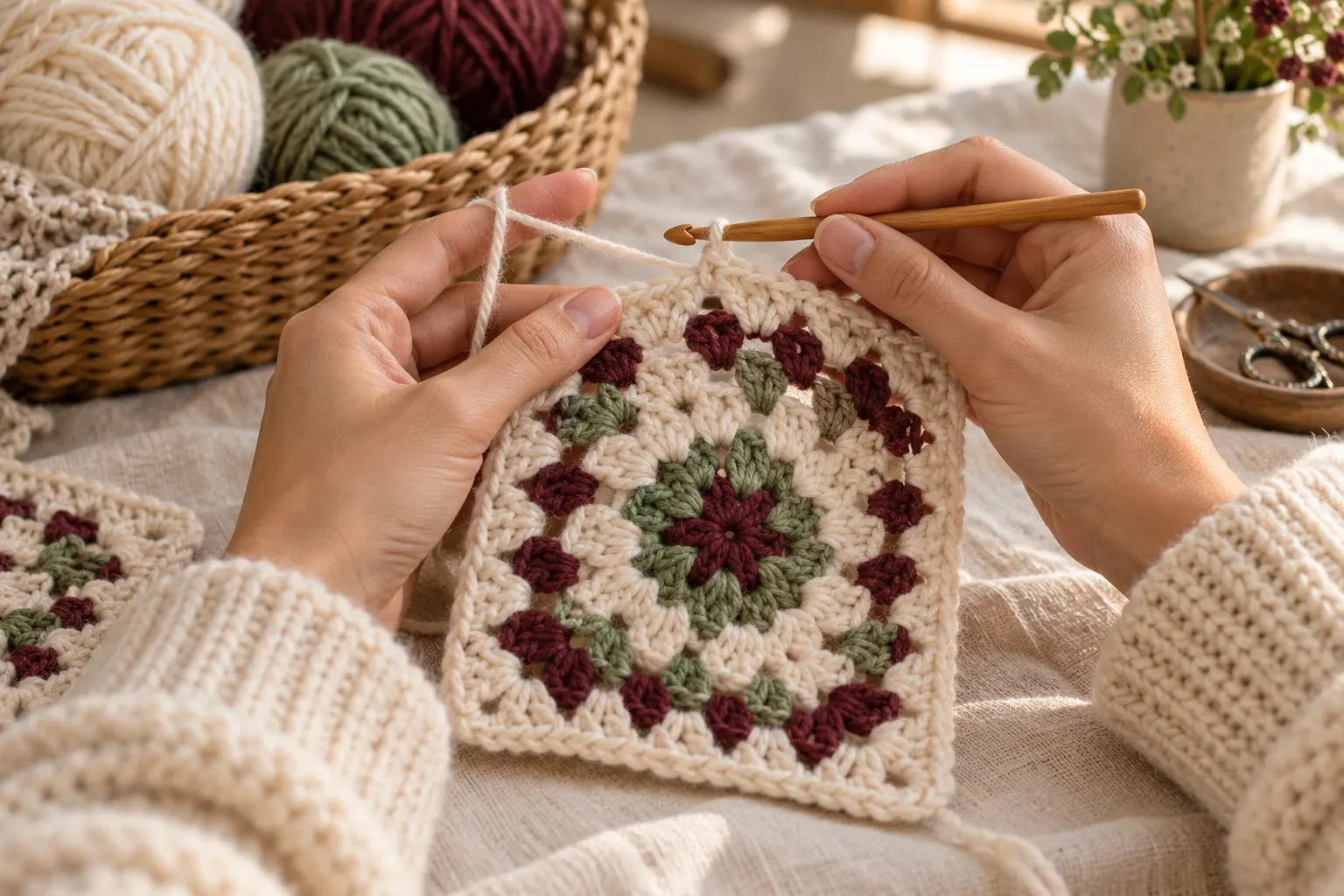
Choose a simple pattern with clear instructions and a short list of techniques. A small square gives you room to practice without asking you to keep track of shaping or several colors at once.
Read the whole pattern before beginning. Put unfamiliar terms on a small list and work through them one at a time. You can learn the next technique when you reach it.
Set out just what you need
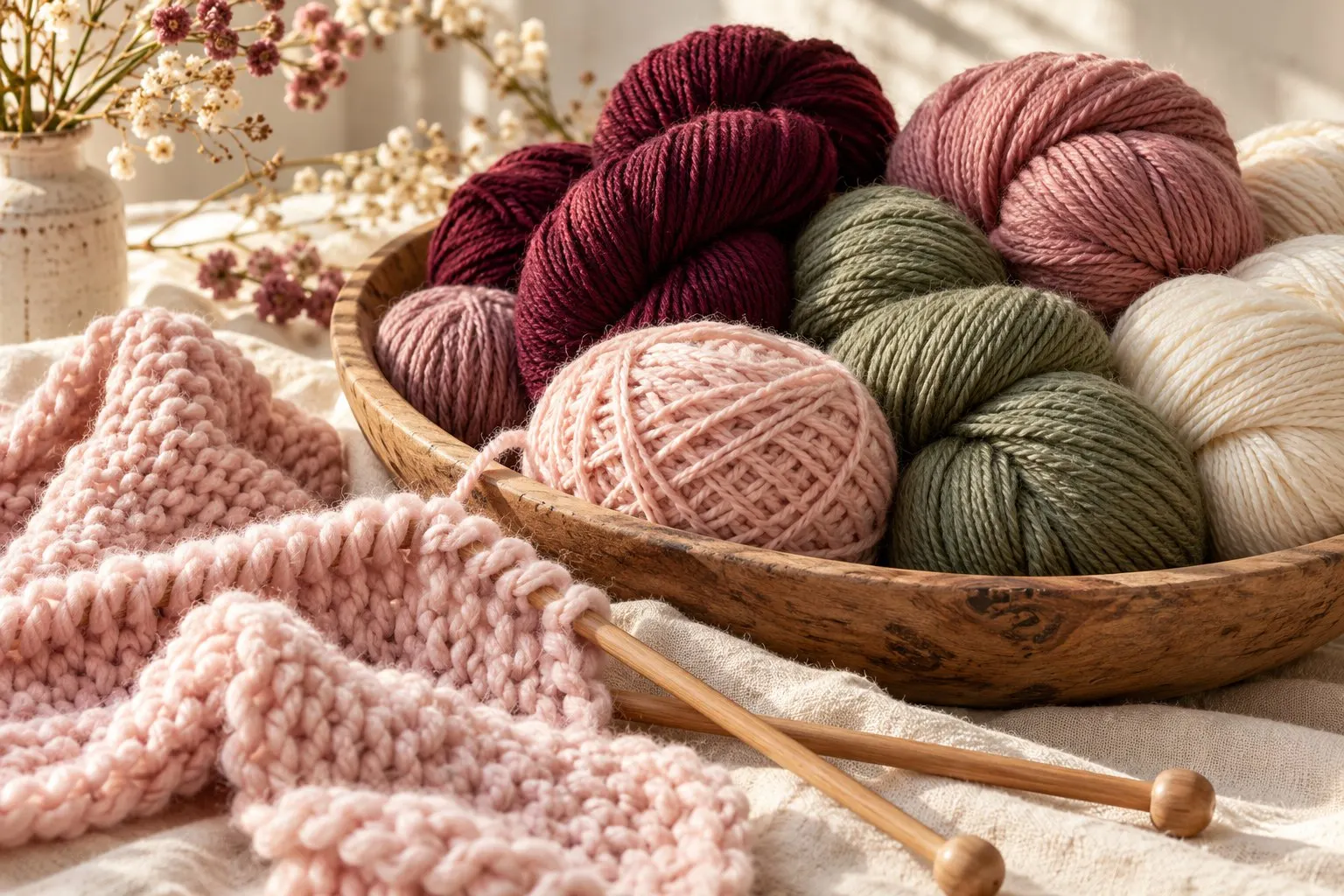
Keep your yarn, needles or hook, scissors, and pattern together in one basket. Check that the tool size and yarn match the pattern guidance. A notebook can be useful for tracking rows or writing down a question.
A clear table and a comfortable seat are enough. You do not need a full collection of accessories before you discover which kind of making you enjoy.
Let practice look like practice
Uneven stitches are part of learning to handle yarn. Pause now and then to look at what your hands have made. If something feels confusing, return to the last step you understood rather than rushing ahead.
Save a small piece of your first work. It can become a useful reminder of where you began, and of how much familiarity grows through repetition.
One stitch is already a beginning.
Leave a Reply